Advancements in Agricultural Science: Driving Efficiency and Yield

Agricultural science is undergoing a remarkable transformation, driven by advancements in technology and research. These innovations are not only enhancing the efficiency of farming practices but also significantly increasing crop yields. As the global population continues to grow, the demand for food is rising, making it imperative for the agricultural sector to adopt new methods and technologies. This blog post explores the latest advancements in agricultural science, their impact on farming efficiency, and how they contribute to higher yields.
The Role of Technology in Agriculture
Precision Agriculture
Precision agriculture is revolutionizing the way farmers manage their crops. By utilizing GPS technology, drones, and sensors, farmers can collect data on soil conditions, crop health, and weather patterns. This data allows for more informed decision-making, leading to optimized resource use and increased yields. For example, farmers can apply fertilizers and pesticides only where needed, reducing waste and environmental impact.
Drones and Aerial Imaging
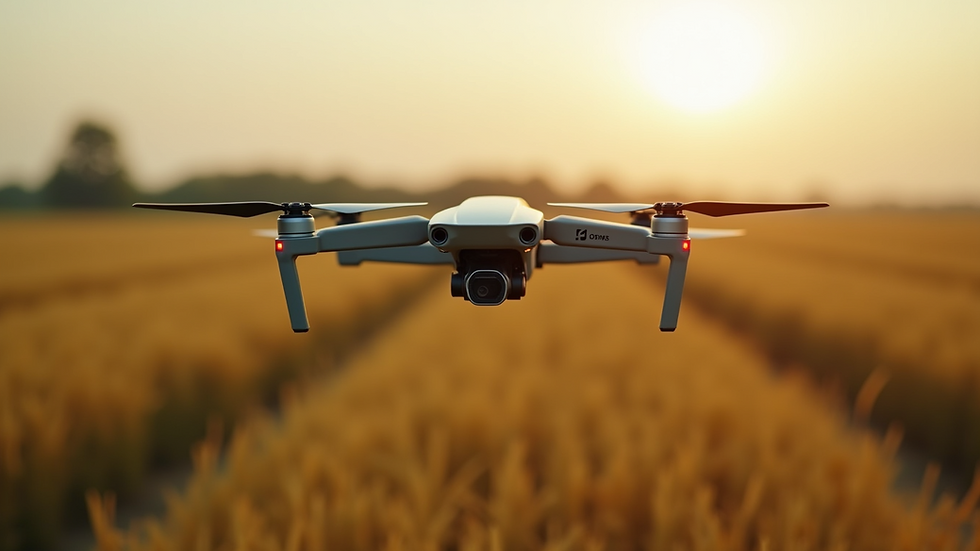
Drones have become an essential tool in modern agriculture. They provide aerial imagery that helps farmers monitor crop health, assess field conditions, and identify areas that require attention. This technology enables farmers to respond quickly to issues, such as pest infestations or nutrient deficiencies, ultimately improving crop yields.
Automated Machinery
The introduction of automated machinery has streamlined many farming processes. Tractors equipped with advanced technology can perform tasks such as planting, watering, and harvesting with minimal human intervention. This not only saves time but also reduces labor costs and increases efficiency.
Biotechnology and Crop Improvement
Genetically Modified Organisms (GMOs)
Biotechnology has played a significant role in crop improvement. Genetically modified organisms (GMOs) are engineered to possess desirable traits, such as resistance to pests and diseases or improved nutritional content. For instance, Bt corn has been modified to produce a protein that is toxic to certain pests, reducing the need for chemical pesticides and increasing yield.
CRISPR Technology
CRISPR technology is a groundbreaking advancement in genetic engineering. It allows scientists to edit specific genes within an organism's DNA, leading to the development of crops that can withstand harsh environmental conditions, such as drought or extreme temperatures. This technology holds the potential to significantly enhance food security in the face of climate change.
Sustainable Practices in Agriculture
Organic Farming
Organic farming emphasizes the use of natural processes and materials to cultivate crops. This approach not only promotes environmental sustainability but also enhances soil health. By avoiding synthetic fertilizers and pesticides, organic farmers contribute to biodiversity and reduce pollution.
Agroforestry
Agroforestry combines agriculture and forestry practices to create more sustainable land-use systems. By integrating trees into agricultural landscapes, farmers can improve soil quality, enhance biodiversity, and increase crop yields. This method also provides additional income sources through timber and non-timber forest products.
Conservation Tillage
Conservation tillage is a farming practice that minimizes soil disturbance. By leaving crop residues on the field and reducing tillage, farmers can improve soil health, reduce erosion, and enhance water retention. This practice not only supports sustainable agriculture but also contributes to higher yields over time.
The Future of Agricultural Science
Artificial Intelligence and Machine Learning
Artificial intelligence (AI) and machine learning are set to play a crucial role in the future of agriculture. These technologies can analyze vast amounts of data to identify patterns and make predictions about crop performance. For example, AI can help farmers determine the optimal planting times and predict potential yield outcomes based on various factors.
Vertical Farming
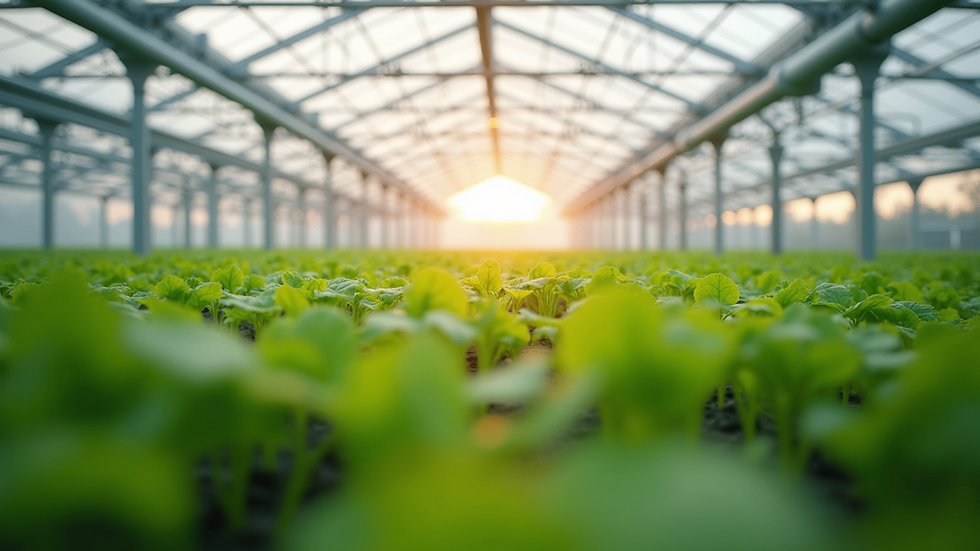
Vertical farming is an innovative approach to agriculture that involves growing crops in stacked layers, often in controlled indoor environments. This method allows for year-round production, reduces land use, and minimizes water consumption. As urban populations grow, vertical farming could become a vital solution for food production in cities.
Blockchain Technology
Blockchain technology is gaining traction in agriculture by enhancing transparency and traceability in the supply chain. By using blockchain, farmers can track their products from farm to table, ensuring quality and safety. This technology can also help reduce food fraud and improve consumer trust.
Conclusion
Advancements in agricultural science are driving efficiency and yield in ways that were once unimaginable. From precision agriculture and biotechnology to sustainable practices and emerging technologies, the future of farming looks promising. As we face the challenges of feeding a growing global population, it is essential for the agricultural sector to embrace these innovations. By doing so, we can ensure food security, promote sustainability, and support the livelihoods of farmers worldwide.
The journey of agricultural science is just beginning, and the potential for further advancements is vast. Whether you are a farmer, researcher, or simply someone interested in the future of food, staying informed about these developments is crucial. Together, we can cultivate a more sustainable and productive agricultural landscape for generations to come.
Comments