Innovative Agricultural Science Methods Transforming Farming Practices

Agriculture is undergoing a significant transformation, driven by innovative scientific methods that enhance productivity, sustainability, and resilience. As the global population continues to grow, the demand for food increases, pushing farmers to adopt new technologies and practices. This blog post explores some of the most impactful agricultural science methods that are reshaping farming practices today.
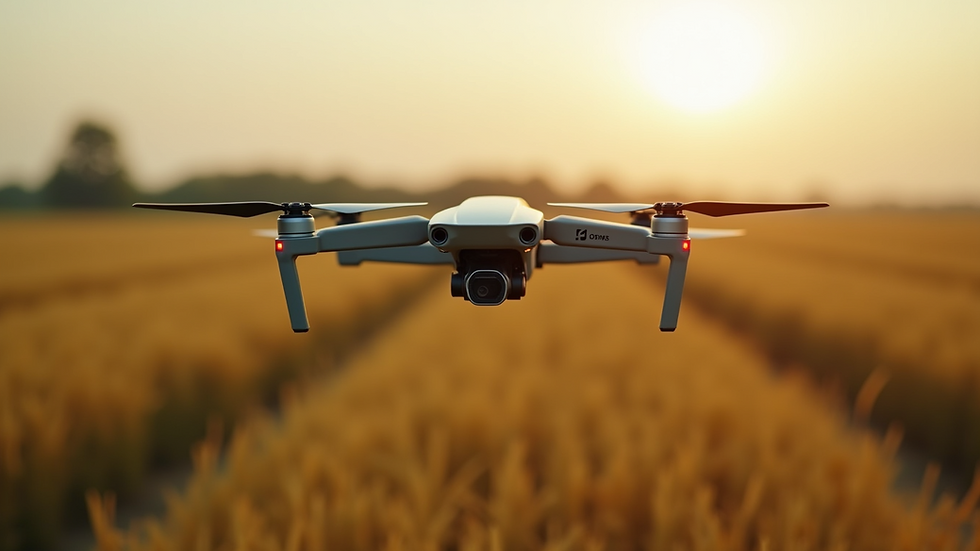
Precision Agriculture
Precision agriculture is a farming management concept that uses technology to monitor and manage field variability in crops. This approach allows farmers to optimize their inputs, such as water, fertilizers, and pesticides, leading to increased efficiency and reduced waste.
Key Technologies in Precision Agriculture
GPS Technology: Global Positioning System (GPS) technology enables farmers to map their fields accurately. This data helps in understanding soil variability and crop health across different areas of the farm.
Drones: Drones equipped with cameras and sensors can capture high-resolution images of crops. This aerial imagery helps farmers identify issues like pest infestations or nutrient deficiencies early, allowing for timely interventions.
Soil Sensors: These sensors provide real-time data on soil moisture, temperature, and nutrient levels. By understanding the specific needs of their crops, farmers can apply resources more effectively.
Benefits of Precision Agriculture
Increased Yields: By applying the right amount of inputs at the right time, farmers can significantly increase their crop yields.
Cost Savings: Reducing the use of fertilizers and pesticides leads to lower costs and less environmental impact.
Sustainability: Precision agriculture promotes sustainable farming practices by minimizing waste and conserving resources.
Vertical Farming
Vertical farming is an innovative method of growing crops in stacked layers, often in controlled indoor environments. This approach maximizes space and can be implemented in urban areas where traditional farming is not feasible.
How Vertical Farming Works
Vertical farms utilize hydroponics or aeroponics, which allow plants to grow without soil. Instead, they receive nutrients through water solutions or mist. LED lights provide the necessary light for photosynthesis, enabling year-round crop production.
Advantages of Vertical Farming
Space Efficiency: Vertical farms can produce more food per square foot compared to traditional farms.
Reduced Water Usage: These systems use up to 90% less water than conventional farming methods.
Local Food Production: By growing food closer to urban centers, vertical farms reduce transportation costs and carbon emissions.
Biotechnological Advances
Biotechnology plays a crucial role in modern agriculture by enhancing crop traits and improving resistance to pests and diseases. Genetic engineering and molecular breeding are two key methods used in this field.
Genetic Engineering
Genetic engineering involves altering the DNA of crops to achieve desired traits. For example, scientists can create genetically modified organisms (GMOs) that are resistant to pests or tolerant to drought conditions.
Molecular Breeding
Molecular breeding uses genetic markers to select plants with desirable traits. This method accelerates the breeding process, allowing for the development of new crop varieties in a shorter time frame.
Impact of Biotechnological Advances
Increased Resilience: Crops engineered for pest resistance can reduce the need for chemical pesticides, benefiting both the environment and farmer health.
Higher Nutritional Value: Biotechnology can enhance the nutritional content of crops, addressing food security and health issues.
Agroecology
Agroecology is an approach that integrates ecological principles into agricultural practices. This method emphasizes biodiversity, soil health, and sustainable resource management.
Principles of Agroecology
Biodiversity: Promoting a diverse range of crops and livestock can enhance ecosystem resilience and reduce the risk of crop failure.
Soil Health: Practices such as cover cropping and crop rotation improve soil structure and fertility, leading to healthier plants.
Local Knowledge: Agroecology values traditional farming practices and local knowledge, fostering community engagement and sustainable development.
Benefits of Agroecology
Environmental Sustainability: By reducing reliance on chemical inputs, agroecology promotes healthier ecosystems.
Economic Viability: Farmers practicing agroecology often see improved profitability through reduced costs and increased market opportunities.
Smart Irrigation Systems
Water scarcity is a pressing issue in agriculture, making efficient irrigation systems essential. Smart irrigation technologies use data and automation to optimize water usage.
Components of Smart Irrigation
Soil Moisture Sensors: These sensors measure the moisture levels in the soil, allowing farmers to irrigate only when necessary.
Weather Data Integration: By incorporating weather forecasts, farmers can adjust their irrigation schedules to avoid overwatering during rainy periods.
Automated Systems: Automated irrigation systems can be programmed to deliver precise amounts of water at specific times, reducing waste.
Advantages of Smart Irrigation
Water Conservation: Smart irrigation can reduce water usage by up to 50%, helping to preserve this vital resource.
Improved Crop Health: Consistent and appropriate watering leads to healthier crops and better yields.
Conclusion
The agricultural landscape is rapidly evolving, driven by innovative scientific methods that enhance productivity and sustainability. From precision agriculture and vertical farming to biotechnology and agroecology, these approaches are transforming how we grow food. As farmers adopt these methods, they not only improve their yields and profitability but also contribute to a more sustainable future for agriculture.
By embracing these innovative practices, farmers can meet the growing demands of the global population while protecting the environment. The future of farming is bright, and it is clear that science will continue to play a pivotal role in shaping agricultural practices for generations to come.
Comments